
Program
Plenary Lectures
Molecules4… Drug Delivery

Dr. Bruno Silva
Empa - Swiss Federal Laboratories for Materials Science and Technology
Advancements and challenges in nonviral gene therapeutics: a physical chemist’s perspective

Prof. María J. Blanco-Prieto
School of Pharmacy and Nutrition, Universidad de Navarra
Nanomedicine for the treatment of pediatric cancer
Molecules4… Healthy Food
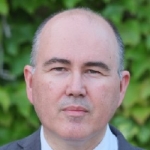
Prof. Pierre-Louis Teissedre
Institut des Sciences de la Vigne et du Vin, University of Bordeaux
Health potential of grape and wine phenolic compounds

Prof. Justin B. Siegel
Genome Centre, University of California, Davis
Protein design and discovery to build the future of our food system
Molecules4… Sensing and Diagnostic

Dr. Rui Campos
International Iberian Nanotechnology Laboratory
Genosensors: from small molecules to nucleic acids
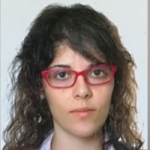
Dr. Maria Gamella Carballo
Department of Analytical Chemistry, Universidad Complutense de Madrid
Disposable affinity electrochemical biosensing platforms: towards reliable tools for food safety and personalized nutrition
Molecules4… Therapeutic Applications

Prof. Tiago Fleming Outeiro
Neurodeg – DFG Center for Nanoscale Microscopy and Molecular Physiology of the Brain, University of Göttingen
Unravelling the molecular mechanisms of Parkinson’s disease and related synucleinopathies

Prof. Richard C. Hartley
WestCHEM School of Chemistry, University of Glasgow
Small molecules to interrogate and intervene in cellular redox
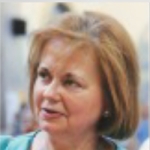
Prof. Matilde Marques
Department of Chemical Engineering, Instituto Superior Técnico
Tackling health challenges with chemical tools: incursions into drug design and drug toxicity
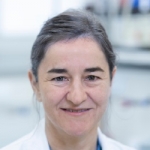
Prof. Belen Vaz
Department of Organic Chemistry, Universidad de Vigo
Synthesis of indolobenzoazepinone scaffolds as active epigenetic modulators: challenges and opportunities
Conference Time-Plan
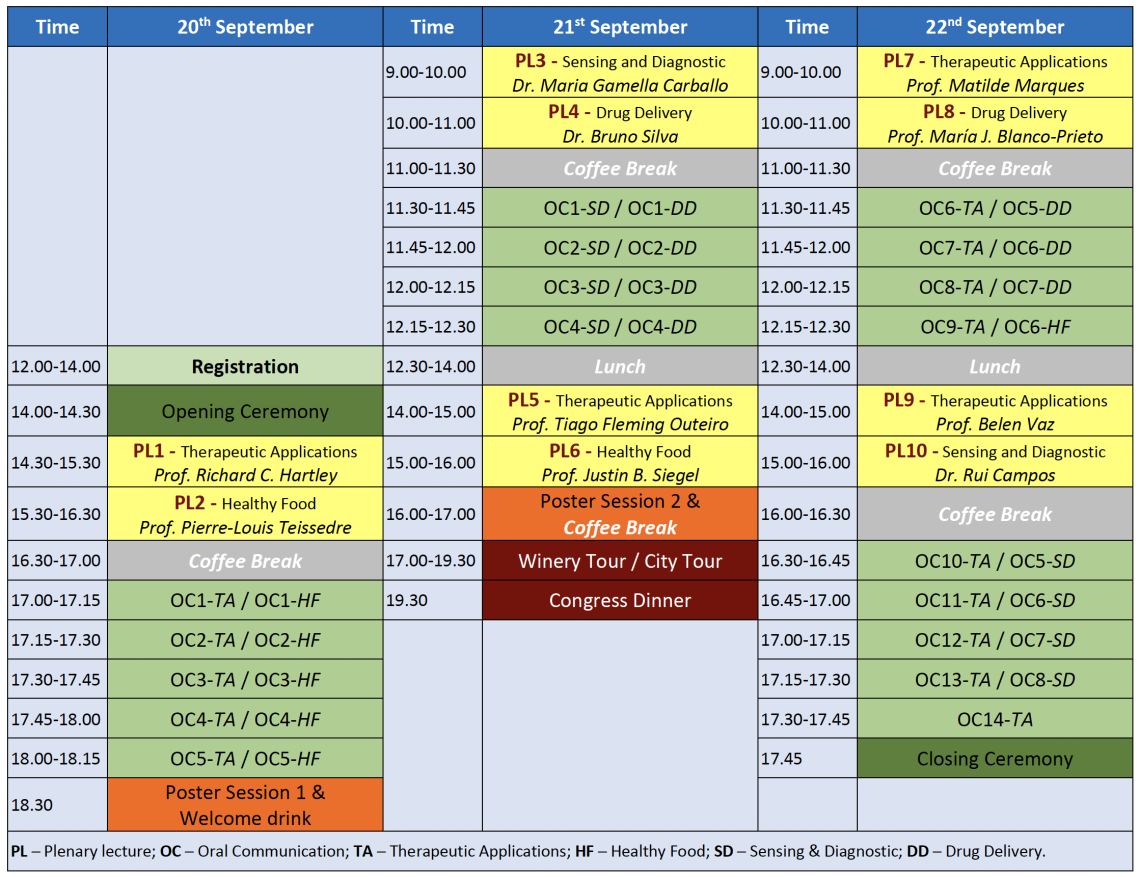
Oral Communications
Molecules4…Therapeutic Applications
OC1 - Christian Griesinger
Small molecules triggering transmembrane signaling and interfering with aggregation important in neurodegeneration - Invited communication
OC2 - Filipe Teixeira
A game with a purpose: designing structural modifications in Polymyxin B to face multi-drug resistant bacteria
OC3 - Tiago Santos
Artemisinin extracts with ionic liquids and salts hydrotropes as a Plasmodium falciparum antimalarial strategy
OC4 - Sandra Pinto
Engineered polyurea (PURE) dendrimers kill multi-drug resistant bacteria and candida strains without affecting mammalian cells
OC5 - Finbarr O'Harte
Design of peptides for activation of the APJ and GLP-1 receptors and alleviation of metabolic dysfunction in diabetes
OC6 - Samuel SIlvestre
Oxidized arylidenesteroids with potential interest in the treatment of prostatic diseases - Invited communication
OC7 - Andreia Fernandes
Chemical characterization and cellular mechanisms of mushroom polysaccharides: evaluating the potential for wound healing
OC8 - Mah Hui
New xanthone analogues as potential lead compounds for gastric inflammatory diseases
OC9 - Maria João Queiroz
Synthesis of novel methyl 3-(hetero)arylthieno[3,2-b]pyridine-2-carboxylates and in vitro and in ovo antitumoral evaluation - Invited communication
OC10 - Mohammed Hawash
Exploring the therapeutic potential of benzodioxol derivatives: targeting multiple biological pathways
OC11 - Adriana Cruz
Nature-inspired anticancer polycationic core-shell dendrimers
OC12 - Daniela Malafaia
Chromeno[3,4-b]xanthones: on the way to a new multitarget approach for Alzheimer’s disease
OC13 - Nuno Martinho
Journey to the chemical frontier of urease inhibition: molecular design guided by machine learning
OC14 - Tiago Coutinho
Assessment of safety and photo-protective capacity of three selected flavonoids
Molecules4…Healthy Food
OC1 - João Siopa
Shotgun Proteomics: a powerful tool for investigating the chemical complexity of biscuit melanoidins
OC2 - Maria Nunes
Insect flours potential for healthy food
OC3 - Cláudia Neves
Development of a dietary supplement designed to prepare a functional food for patients with neurodegenerative diseases
OC4 - Bruna Moreira
Evaluation of nutritional and chemical properties of almonds (Prunus dulcis) produced in northeastern of Portugal under different conditions by intercropping systems
OC5 - João Mota
Degradation of vinegar: influence of chemical and microbiological parameters on the quality of wine vinegar
OC6 - Elisa Costa
Protein extraction from Arthrospira platensis for use in food processing
Molecules4…Sensing and Diagnostic
OC1 - Ana Viana
Electrochemical polymerization of catecholamines and catechol derivatives for optical and electrochemical biosensors - Invited communication
OC2 - Isilda Amorim
An electrochemical sensor based on transition metals for detection of bioactive molecules containing phenolic groups
OC3 - Ana Queijo
Simultaneous voltammetric determination of carbamazepine, paracetamol and naproxen using a miniaturized electrochemical device
OC4 - Verónica Serafin
Valorizing electrochemical multiplexing of humoral immune response biomarkers for precision chronic diseases medicine
OC5 - Helena Gonçalves
Genetic biosensor for fast and selective SARS-CoV-2 detection - Invited communication
OC6 - Manuela Frasco
Engineered functional photonic materials for bioinspired sensing - Invited communication
OC7 - Célio Neves
Biomimetic hydrogel for optical sensing of extracellular vesicles
OC8 - Sara Gaspar
NO2Probe: application of a new nitrite point-of-care test in biomedicine
Molecules4…Drug Delivery
OC1 - Ricardo Silva
Extracellular vesicles increased production by stimulation with nitric oxide releasing polyurea biodendrimers
OC2 - Romeu Videira
Exploring the therapeutic space around mitochondrial respiratory chain to tackle chronic diseases - Invited communication
OC3 - Sandra Nunes
Efficient models for Monte Carlo simulations applied to different biomolecules-based drug delivery systems
OC4 - Carla Vitorino
Addressing hard-to-access brain tumors using a chemo-photothermal nanotechnology
OC5 - Ana Silva
Oral films incorporating chestnut shells bioactive compounds as delivery system for the prevention/treatment of oral mucositis
OC6 - Ivo Martins
Synthesis of carbon dots using dendrimers as co-precursor
OC7 - Tânia Cova
Breaking through the blood-brain barrier: the synergy of machine learning and molecular simulations in designing cell-penetrating peptides for glioblastoma nanoparticle therapy